Dry Eye Treatment in Ottawa: Causes, Symptoms & Relief
Most dry eye falls into two overlapping types: Evaporative and Aqueous-deficient. Learn more about the symptoms to watch for and how we treat dry eye.
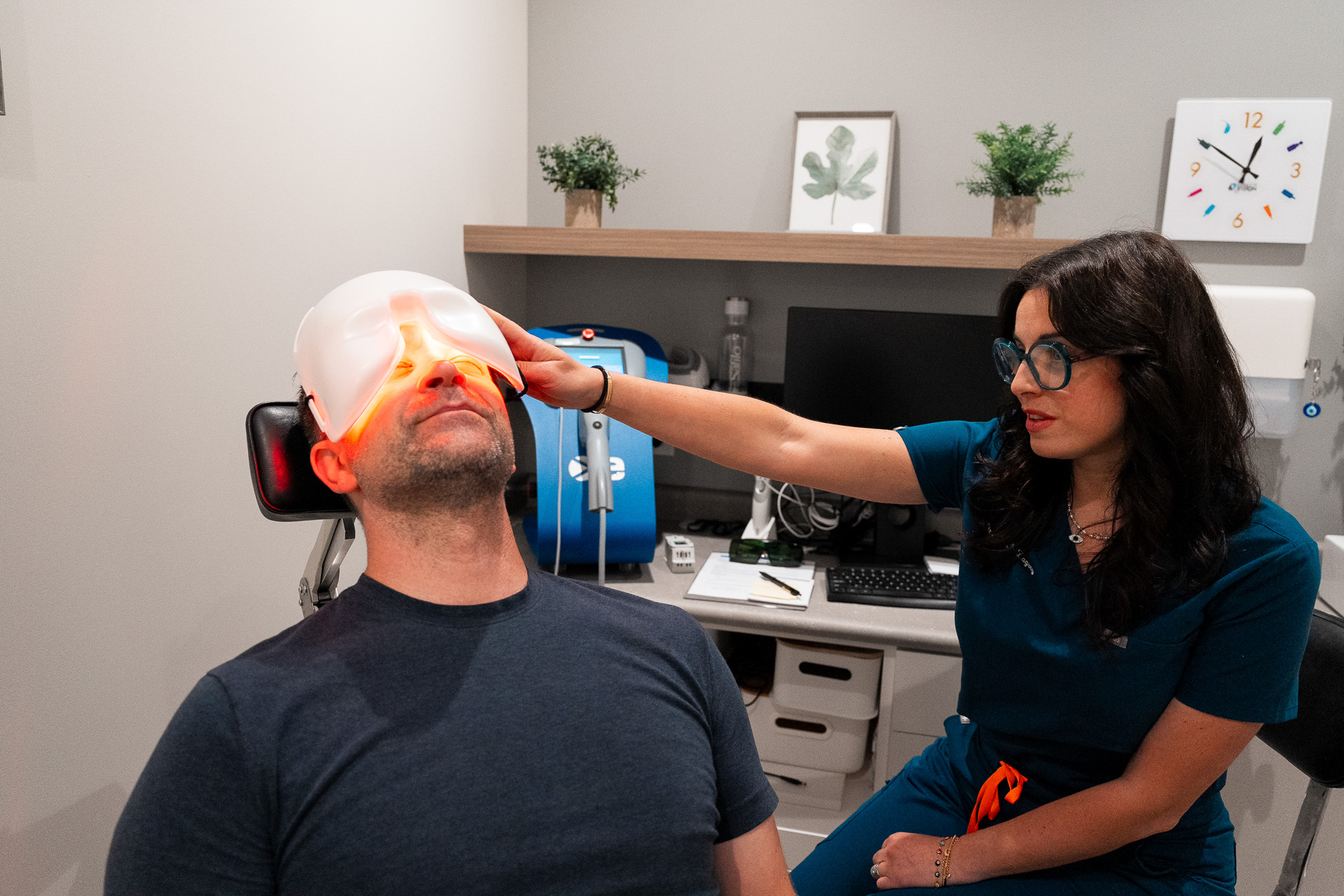
Table of Contents
Short answer: Dry eye is one of the most common reasons people come to see us and it's very treatable. It happens when your eyes don't make enough tears, or the tears evaporate too quickly. At Vision Care Ottawa we find the underlying cause and build a treatment plan, from simple at-home steps to advanced in-clinic therapies like IPL and low-level light therapy.
What causes dry eye?
Most dry eye falls into two overlapping types:
- Evaporative — the most common. The tiny oil glands in your eyelids (meibomian glands) get blocked, so your tears evaporate too fast. Screen time, contact lenses, and age all contribute.
- Aqueous-deficient — your eyes don't produce enough of the watery part of tears.
Common contributors include long hours on screens (we blink far less when we stare at a screen), dry indoor air, Ottawa's cold winters, certain medications, and conditions like blepharitis.
Symptoms to watch for
- Burning, stinging, or grittiness — like something's in your eye
- Watery eyes (yes, dryness can cause reflex tearing)
- Red, tired eyes, especially late in the day
- Blurred vision that clears when you blink
- Discomfort with contact lenses
How we treat dry eye
Treatment starts with a dry eye assessment to pinpoint the cause — then we match the therapy to it:
- At-home foundations: targeted artificial tears, warm compresses, lid hygiene, and screen breaks where possible.
- IPL (Intense Pulsed Light): gentle light pulses applied around the eyes to stimulate oil based tear production and reduce redness.
- Low-level light therapy (LLLT): Deep tissue heating that improves the flow of tears from the eyelid glands.
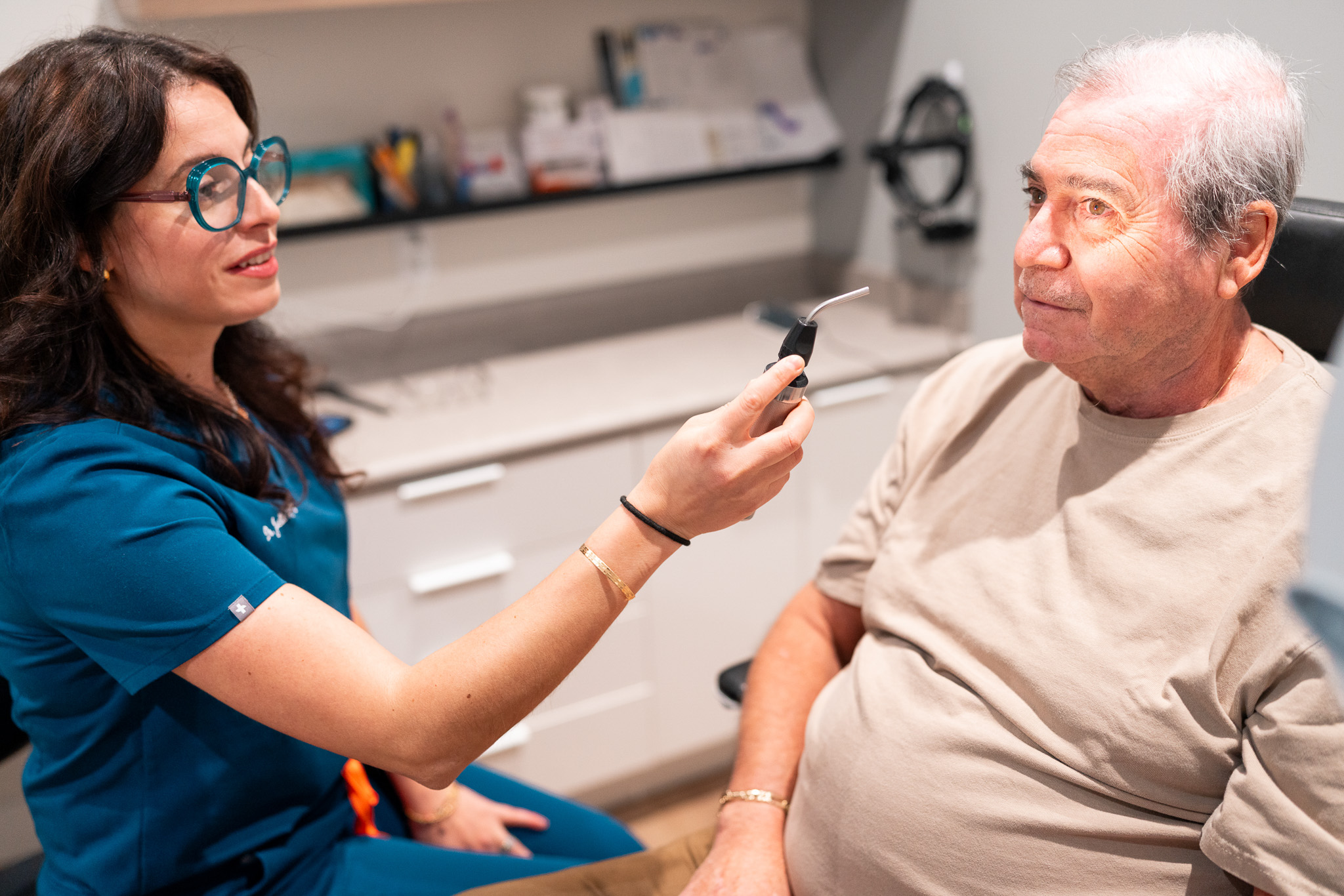
- Plasma Pen: Applied directly to the eyelid glands stimulates mucus production and improves adherence of the tears to the surface of the eye.
Many patients do best with a combination, and we'll explain what's right for your eyes at your assessment.
When to see us
If drops aren't cutting it, your eyes are uncomfortable by mid-afternoon, or contact lenses have become hard to wear, it's worth a dedicated dry eye assessment — untreated dry eye tends to worsen over time, and the earlier we address the cause, the better the relief.
Frequently asked questions
Can dry eye be cured?
For many people it's managed rather than cured — but the right plan can dramatically reduce symptoms and keep them under control.
Do you offer advanced dry eye treatments in Ottawa?
Yes — alongside at-home care we offer in-clinic options like IPL, low-level light therapy, plasma pen and thermal gland treatment. Contact us to book a dry eye assessment.
Is a dry eye assessment the same as a regular eye exam?
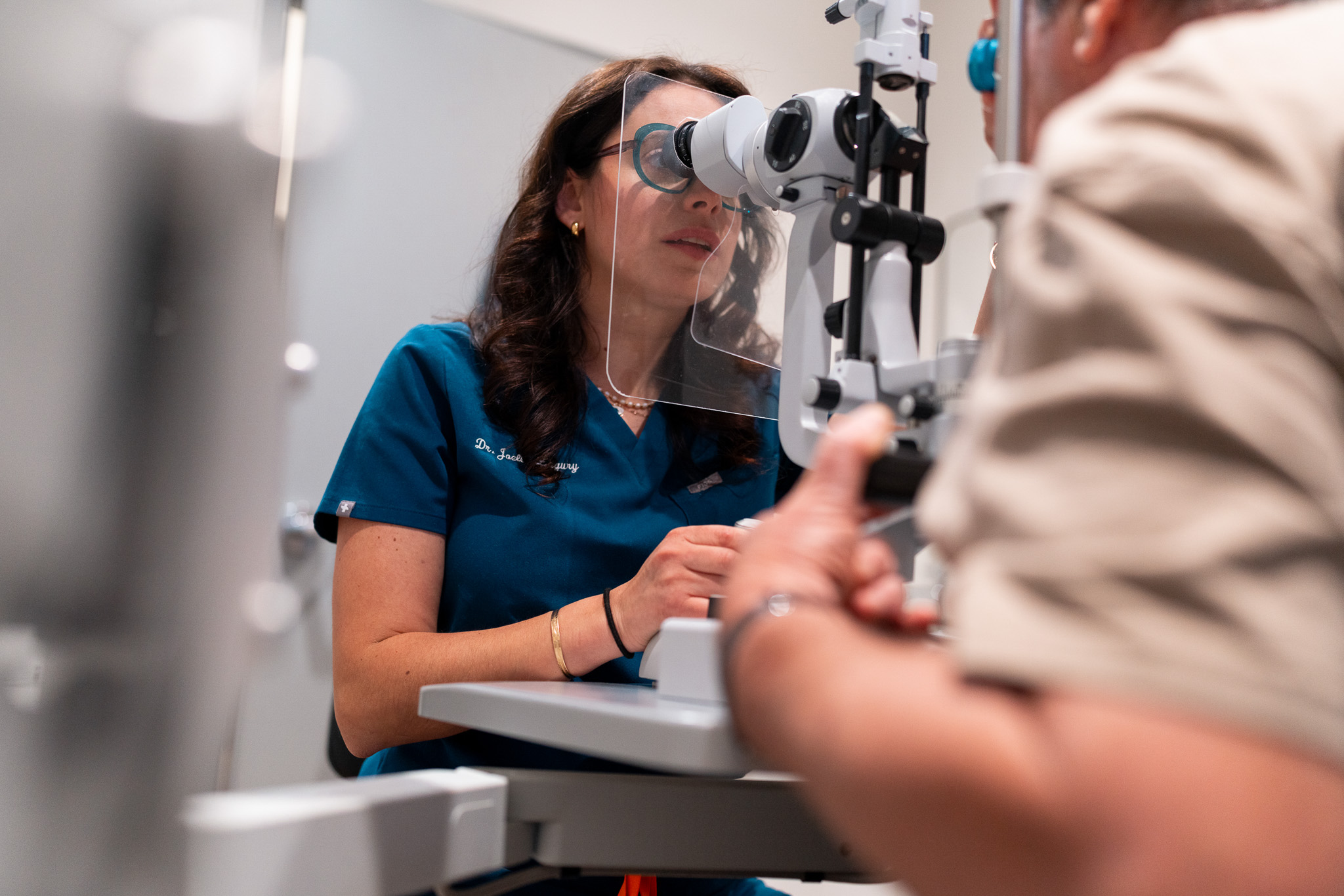
It's a focused assessment of your tear film and glands. We measure how long the tears stay on the eyes, take images of the eyelid glands, measure inflammatory markers then we review the finding with you and design a customized treatment plan. Learn what a full exam covers in our guide to what happens during a comprehensive eye exam.
Ready for relief? Book a dry eye assessment or contact the clinic nearest you.
Medical Disclaimer
This article is for educational purposes only and does not replace individualized medical advice. Dry eye has many causes; please book an assessment so an optometrist can recommend the right treatment for your eyes.

Your next step is clear
Whether you need a routine eye exam or specialized care, our team is here for you.