
Myopia control for children on Woodward Drive
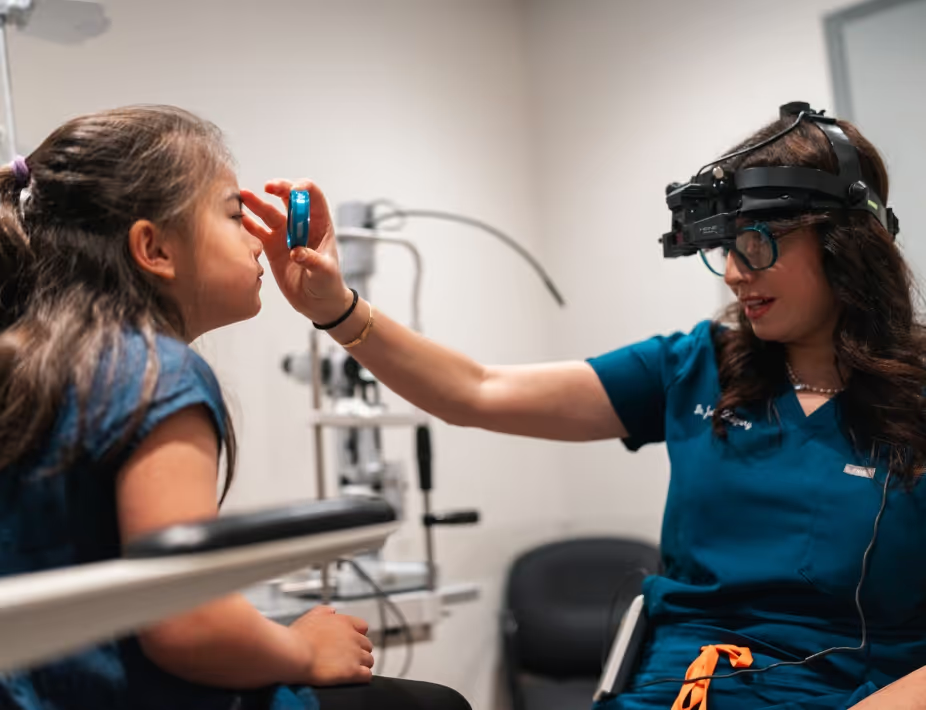
Worried about your child's worsening prescription? At Vision Care Woodward, we use clinically proven treatments like MiYOSmart glasses and MiSight contact lenses to slow myopia progression. We monitor progress with twice-yearly assessments to make sure the treatment is working.
About
Myopia Control
Myopia progression: what's at stake?
Myopia is a common visual condition known as nearsightedness — it prevents children from seeing clearly in the distance. Myopic prescriptions carry a minus (-) power. Childhood myopia tends to get worse over time as the eye lengthens, which is associated with a higher risk of early-onset cataracts, glaucoma, and retinal complications later in life.
The longer the eye becomes, the higher the long-term risk. The good news: there are four clinically proven ways to slow myopia progression — and starting early makes a real difference.
Our Treatments
The four ways we slow myopia progression
Every child is different. Your optometrist will recommend the right approach — or combination of approaches — based on your child's age, prescription, lifestyle, and how quickly their myopia is progressing.
1. Myopia control glasses — MiYOSmart or Stellest
Specially designed lenses that correct vision while slowing eye growth. Approximately 50% reduction in progression.
Best for ages 6–18. Requires 8–12 hours of wear per day for maximum effectiveness.
2. Soft contact lenses — MiSight or Abiliti
Daytime soft contact lenses designed specifically for myopia control. Approximately 50% reduction in progression.
Best for ages 8+ (or younger if appropriate). Worn 6 days a week for at least 12 hours per day.
3. Atropine eye drops
A low-dose drop applied once daily, usually before bed. Approximately 50% reduction in progression.
No specific age limit; has been used in children as young as 4. Available in different concentrations; your optometrist will advise on the appropriate dose. Requires a compounding pharmacy (such as Nutrichem on Carling Ave. or Foundry Pharmacy). Sunwear is required when outdoors. Can be combined with other myopia control methods.
4. Ortho-K — overnight retainer lenses
Custom-designed retainer lenses worn overnight that gently reshape the cornea while your child sleeps. Vision is corrected throughout the day without glasses or daytime contacts. Approximately 50% reduction in progression.
Best for ages 6+ if motivated and your optometrist confirms suitability. Email us to book an Ortho-K consultation.
Myopia control at our Woodward clinic
Myopia control is an ongoing program of regular check-ups, so convenience matters. Our newest clinic on Woodward Drive is central — just south of Highway 417 — with free parking right on site, making follow-ups quick and easy. We use clinically proven treatments like MiSight and MiYOSmart.
Myopia care is part of our wider children's eye care — book your child's eye exam any time.
How we monitor your child's myopia
Tracking progression isn't just about checking the prescription. It's about understanding how the eye itself is changing. At each visit, we measure key things:
Prescription checks
Twice yearly to track changes in nearsightedness.
Axial length
The length of the eye, measured with specialized equipment. This tells us how the eye is physically growing, which is the strongest predictor of long-term risk. We compare your child's axial length against age-based percentiles:
- Below the 50th percentile → low risk of high myopia
- 75th–95th percentile → moderate risk
- 98th percentile → high risk
Corneal topography
A map of the front surface of the eye, used to fine-tune lens fittings and monitor changes over time.
Wide-field retinal imaging (Optomap)
Twice yearly to monitor the back of the eye for any early signs of complications.
Your optometrist will review the results with you and your child at each visit and adjust the treatment plan as needed.

Everyday habits that help
Treatment works best when combined with healthy daily habits. These three recommendations are backed by current research and easy to build into family life:
2 hours outdoors every day
Natural light plays a meaningful role in slowing eye growth. Outdoor play, walks, or sports — anything outside counts.
Take frequent breaks from screens
Especially during recreational use. The 20-20-20 rule is a good starting point: every 20 minutes, look at something 20 feet away for 20 seconds.
Hold devices at arm's length
Books, phones, and tablets should be held about an arm's length away. Close-up focusing for extended periods is associated with myopia progression.

About Vision Care Woodward
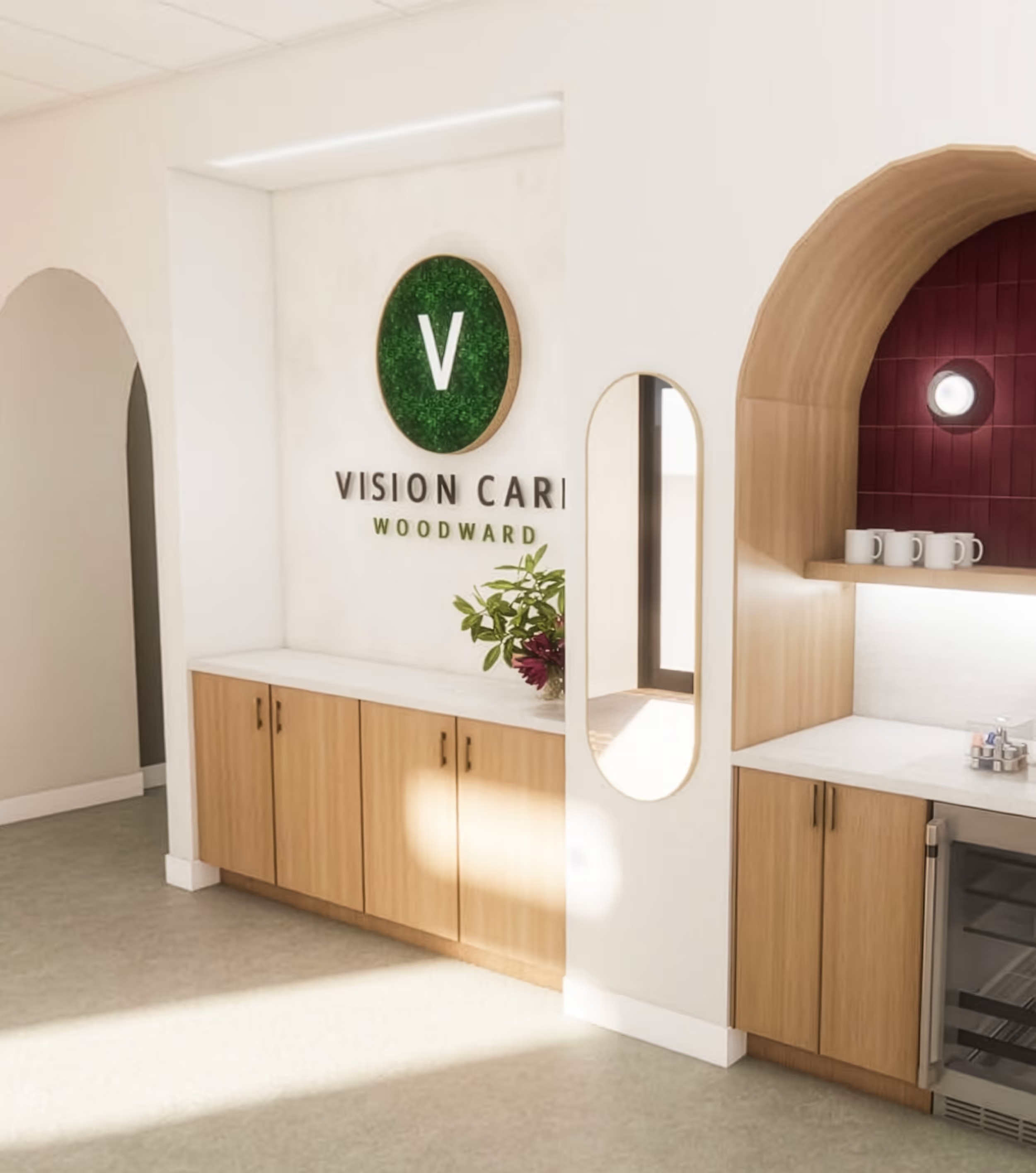
Vision Care Woodward is our newest Ottawa clinic. This location brings the same expert care and technology-driven approach you'd expect from Vision Care Ottawa, in a beautifully designed space built with your comfort in mind.
Meet the optometrists behind your care
Every doctor and optician on our team brings a genuine passion for eye health. From your first visit through every follow-up, you'll see friendly, familiar faces — and when you book, we'll match you with the optometrist who's the right fit for you.
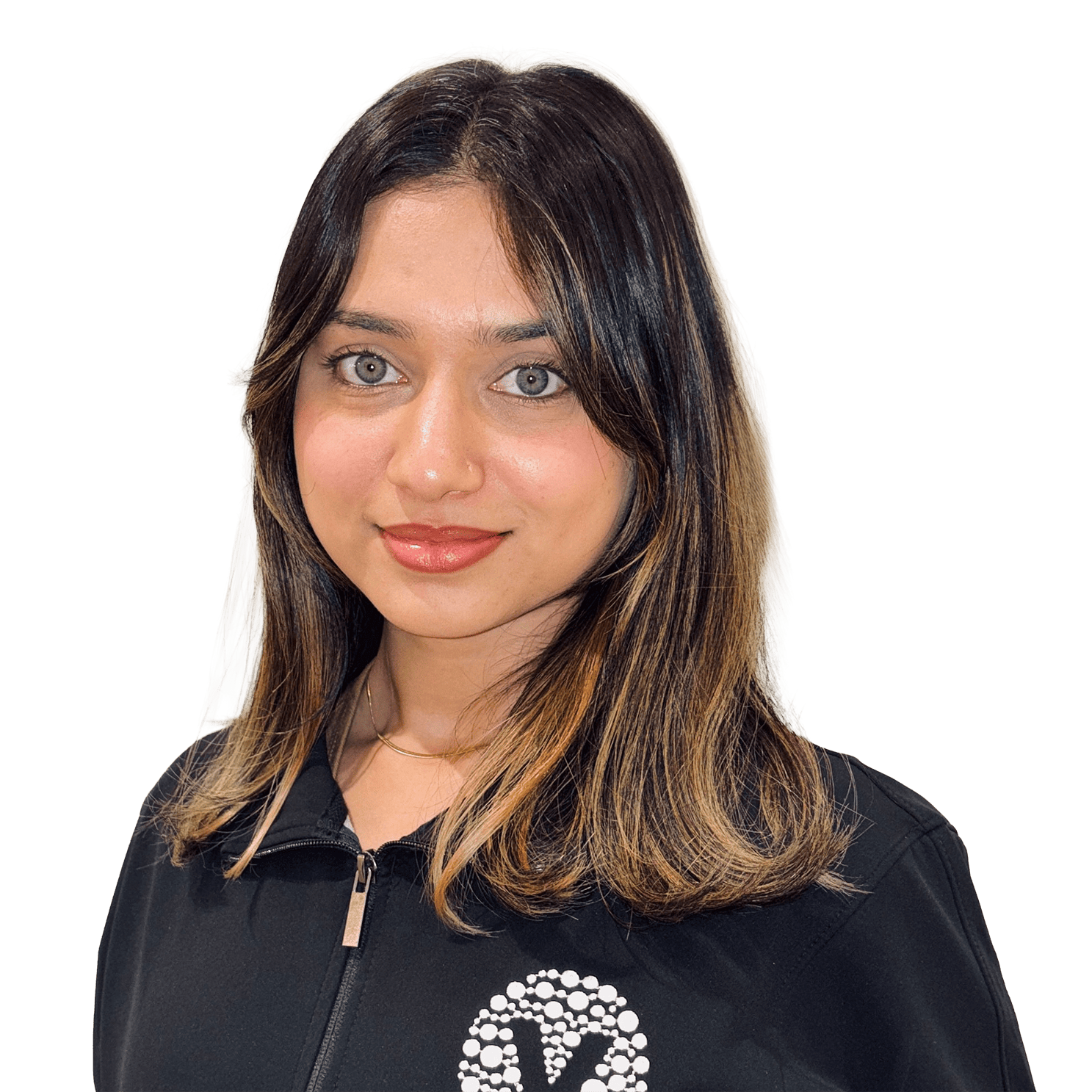
Anjali Visani
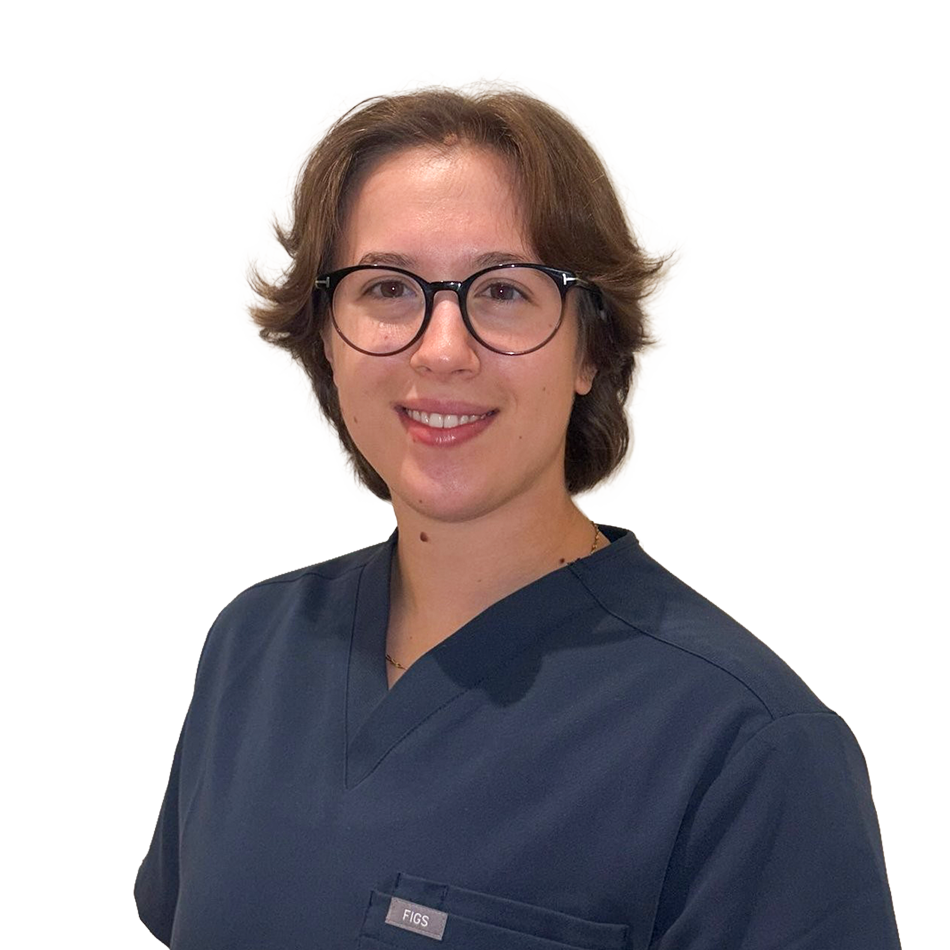
Karli Cameron
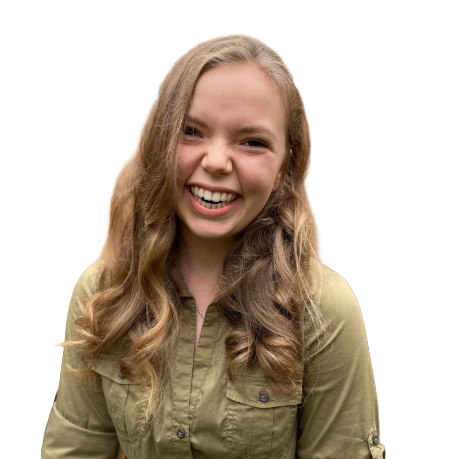
Dr. Samra Brkic
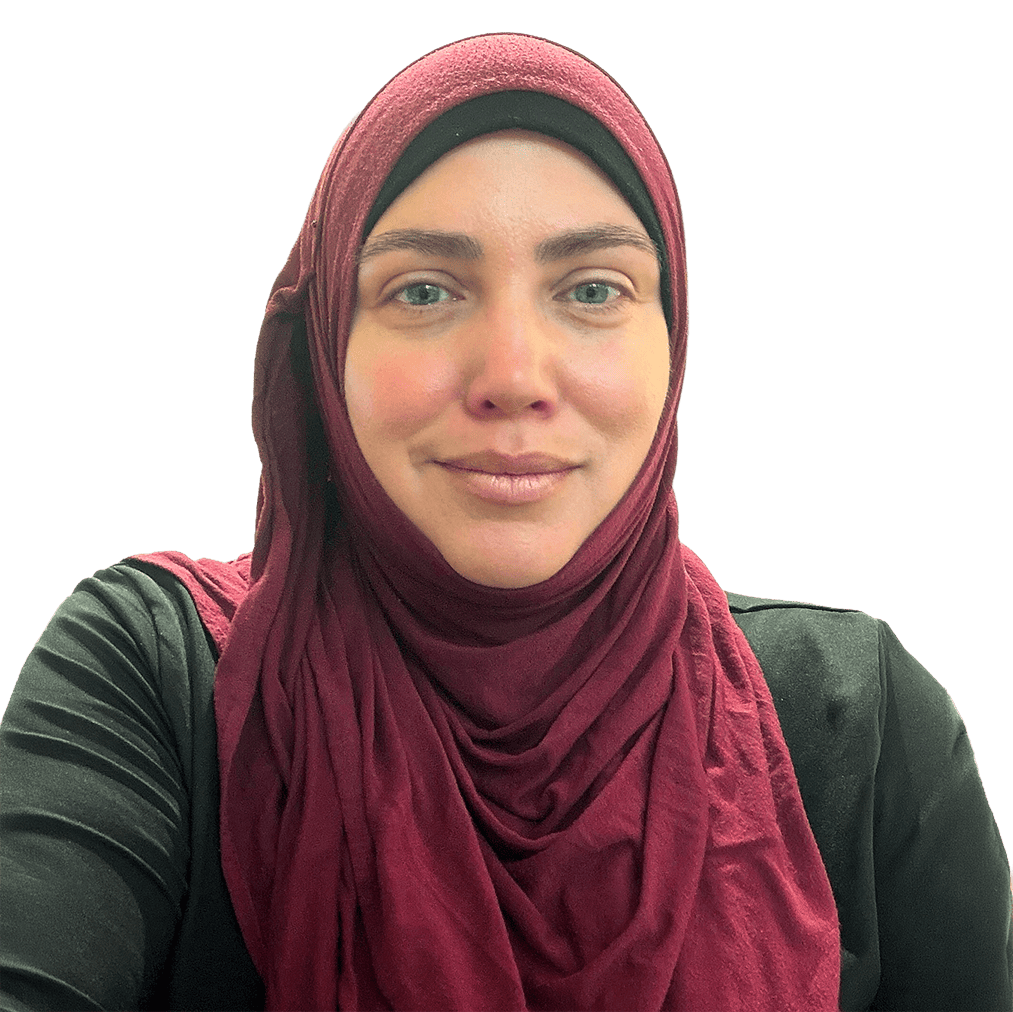
Tiffany Lafontaine
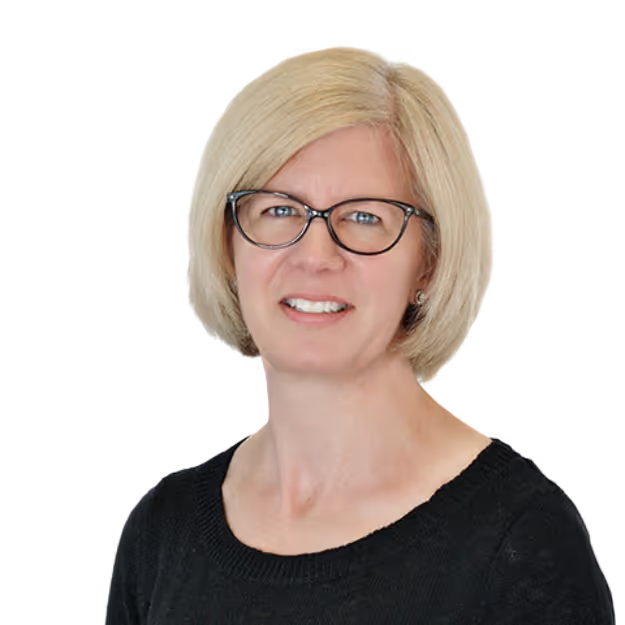
Dr. Kristine MacDiarmid

Renald Payeur
Tiffany Lafontaine
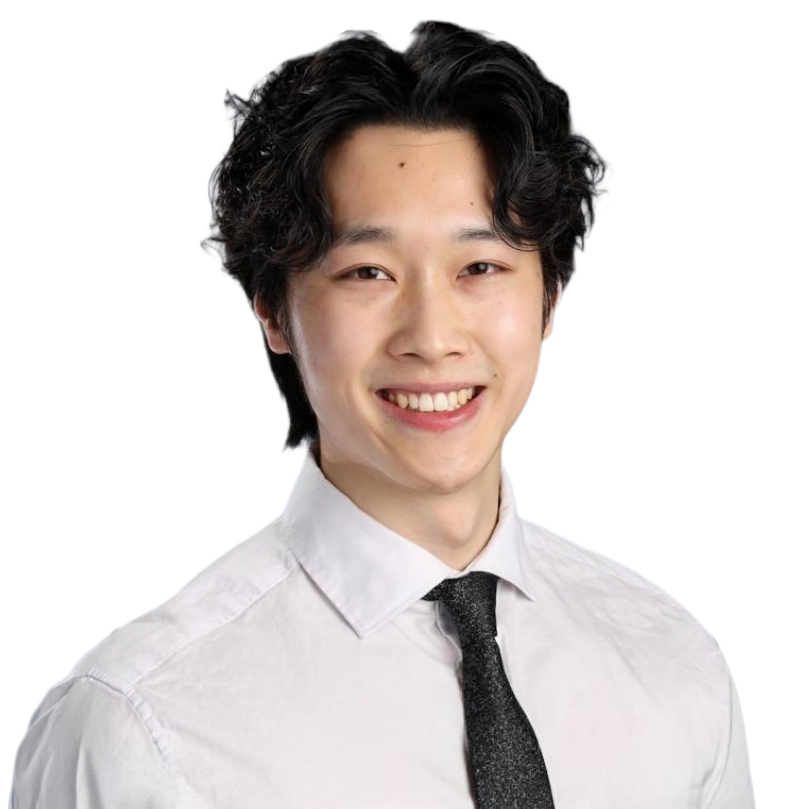
Dr. James Han

Dave Trennel

Dr. Karanveer Kamra
Frequently asked questions about
Myopia Control
Myopia (nearsightedness) is a common visual condition that prevents children from seeing clearly at a distance. Childhood myopia tends to get worse over time and may be associated with early onset cataracts, glaucoma, and retinal complications.
We offer four clinically proven options: MiYOSmart or Stellest glasses, MiSight or Abiliti soft contact lenses, atropine eye drops, and Ortho-K overnight retainer lenses. Each provides approximately 50% reduction in progression. Your optometrist will recommend the right approach, or combination, for your child.
At each visit we check the prescription, measure axial length (the length of the eye), perform corneal topography, and use wide-field retinal imaging (Optomap) twice yearly. Tracking axial length is the most reliable way to predict long-term risk.
The earlier the better. Treatment is typically most effective in younger children (ages 6–10) when the eye is still actively growing. That said, all four treatment options can be effective into the teen years. If your child has been prescribed glasses for nearsightedness, ask about myopia control at their next visit.
Yes — our Woodward clinic has ample free on-site parking with no meters, which makes keeping up with regular myopia check-ups simple for busy families.
Yes — as our newest Ottawa clinic, we're actively welcoming new patients, including children starting a myopia control program. Book an assessment online.
Your next step is clear
Book an appointment at any of our three Ottawa locations. Your eyes are in good hands.